
Estimated reading time: 4 minutes
Cyber Resilience Is The New Seamanship
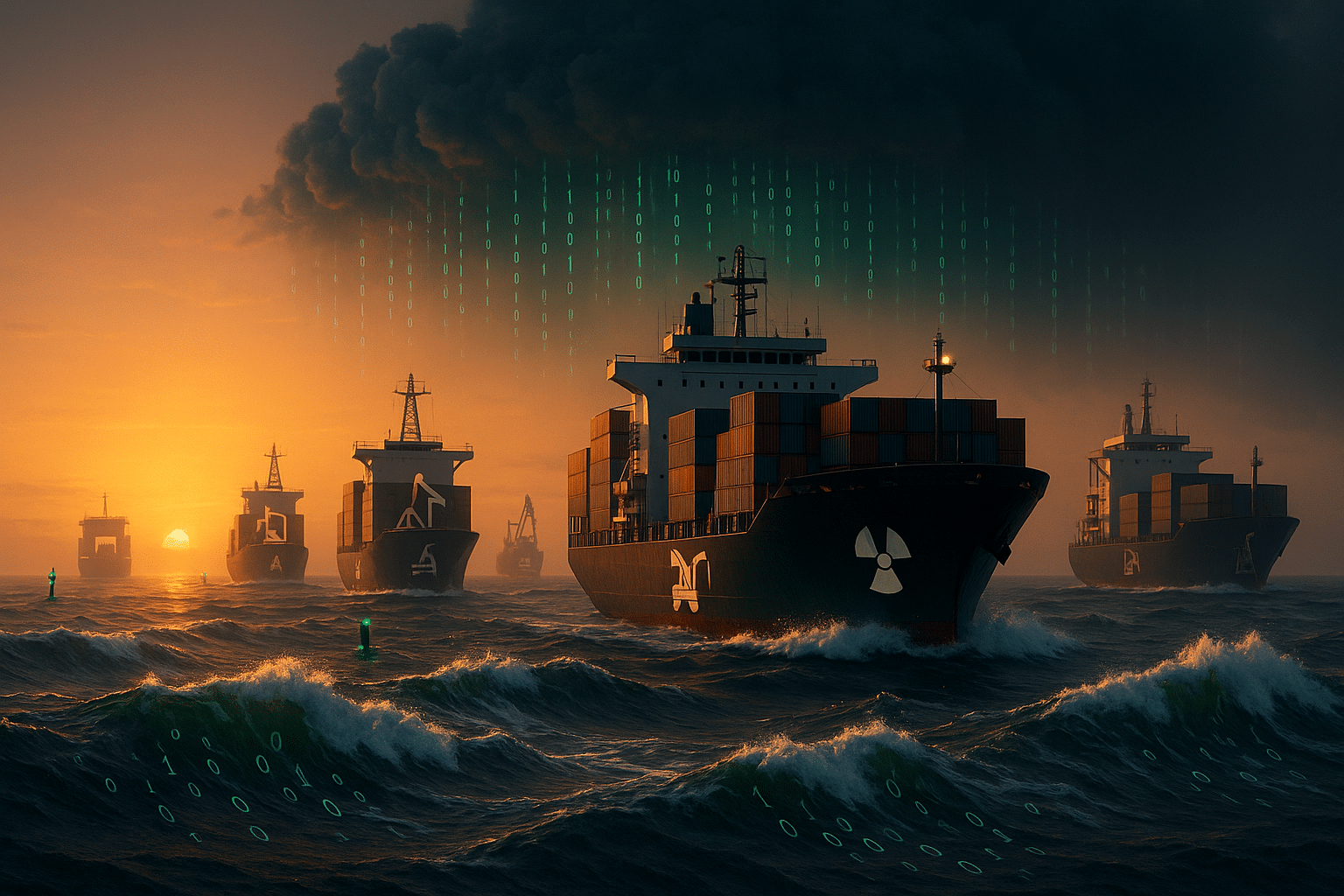
Here’s the uncomfortable truth. “Cybersecurity Awareness Month” is a start. It is not a strategy. The risks do not pause on November 1. Ransomware crews do not take holidays. Boards cannot either. Sailors once read the sky to prepare for storms. Today, digital leaders must read the threat landscape. Phishing spikes, ransomware chatter, and new vulnerabilities; these are our “red skies.” When the signs glow bright, wise captains prepare, not panic. Cyber resilience is the new seamanship. And those who fail to heed the dawn warnings may not see another calm horizon.
From Commerce to Cyber Seas: The New Digital Battlefield
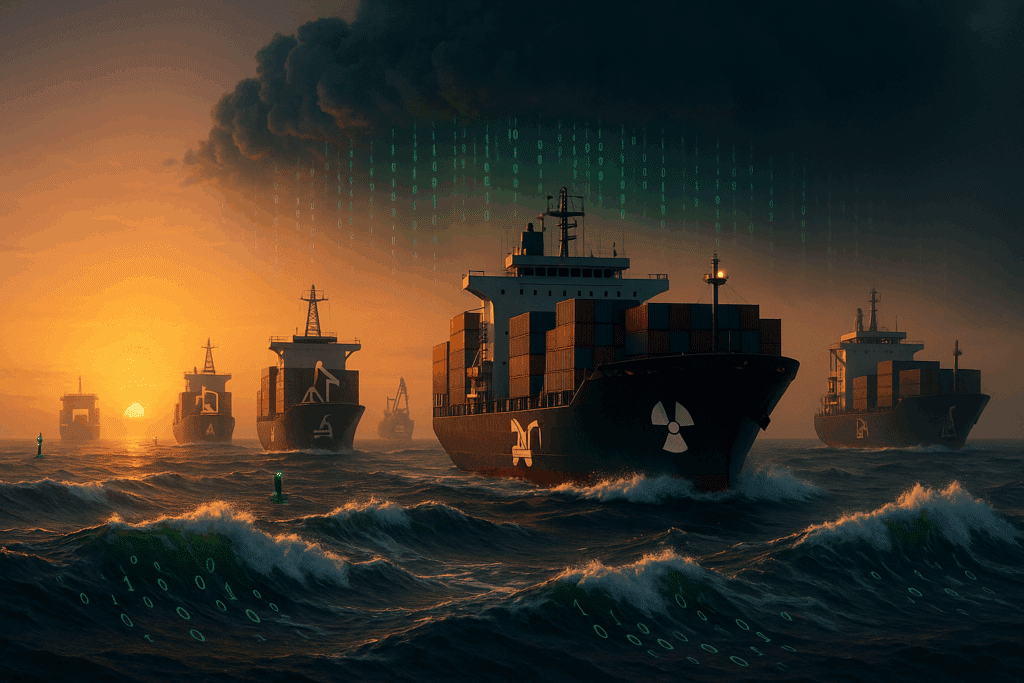
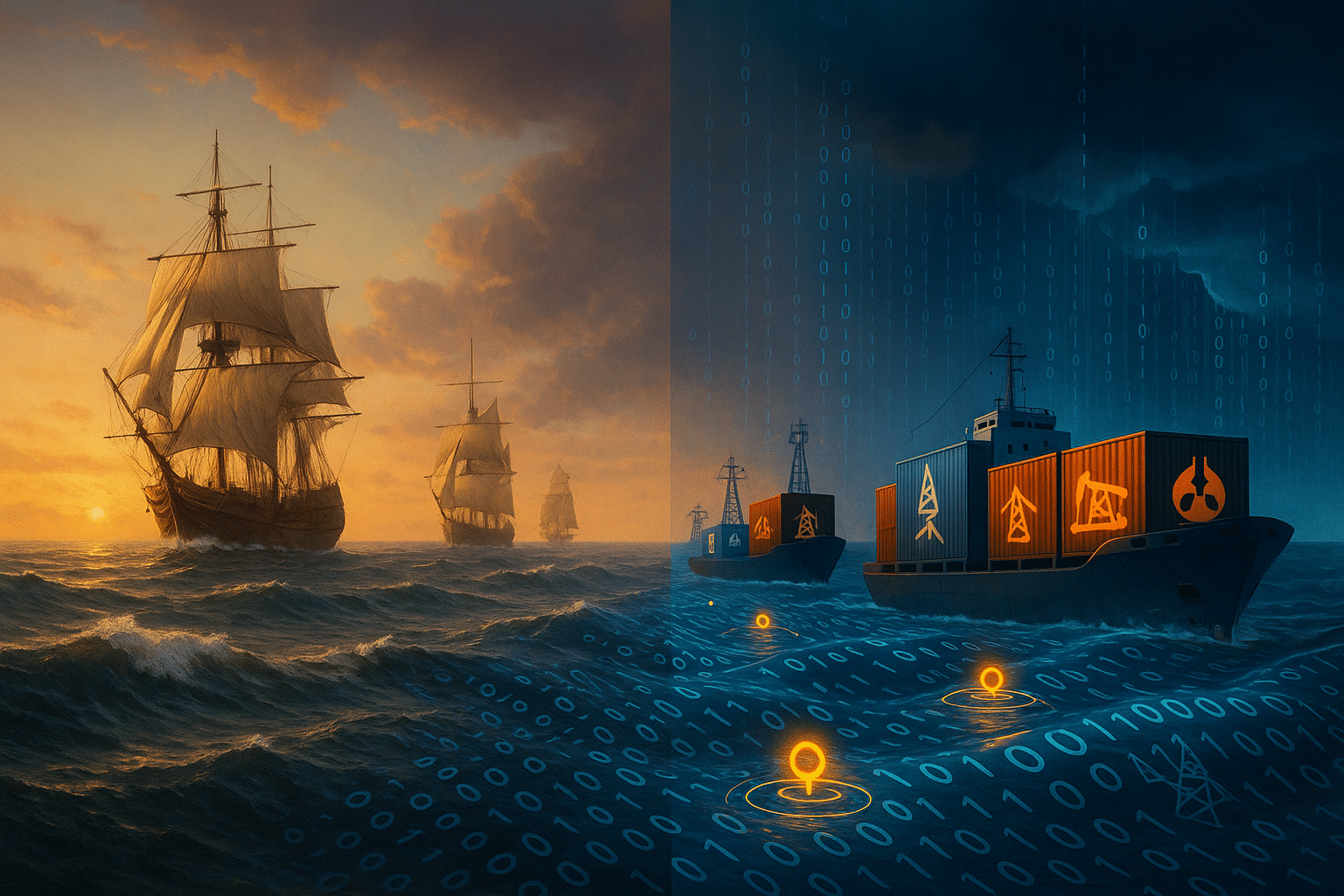
We digitized commerce. We now sail in cyber seas. The old rules still apply. Each ship is an industry. You must build them to sail and thrive on cyber seas awash with storms and pirates. You need modern incarnations of charts, lighthouses, and convoys. Convoys, because there is strength in interconnected mutual defense. Insurance followed the age of sail; so did standards and navies. We need the same discipline today.
This wartime homage to the World War II convoys is not hyperbolic. Nations are waging a soft, cold, cyber war and using funds to further their reach.
Case Studies: What Recent Cyberattacks Teach Us
Recent breaches prove it. There are so many to focus on. MGM, Qantas, Jaguar Land Rover; the list goes on and on and on. The Marks & Spencer attack crippled operations for months and may cost up to £300 million. That is not an IT problem. That is a business crisis. Recovery took time. Confidence took longer. Several arrests followed, but the damage was done. Resilience decides who stays afloat.
The Human Factor: How Social Engineering Exploits Behavior
Human error opened the door. Social engineering beats policies on paper. That pattern repeats across sectors and borders. Training helps. Culture helps more. If urgency hijacks judgment, people click and passwords reset. Scammers count on it. Our reporting highlighted how “act now” pressure is the oldest, most reliable trick in the kit. Treat urgency as a red flag, not a call to action.
The numbers warn us too. Small firms feel the heat. A Pollfish survey of Canadian SMEs found 53% hit by cyber incidents. Phishing led the pack. That is a majority, not a margin. The economy relies on these firms. Their failures cascade through supply chains. One breach upstream can sink many downstream boats.
The Rise of Cyber Insurance: From Payouts to Prevention
Markets are reacting. Tech and services tied to cyber liability insurance are growing faster than premiums. That signals a shift from indemnity alone to prevention plus response. It mirrors the rise of maritime rules, hull inspections, and convoy protocols. You cannot insure reckless sailing. Underwriters price discipline. Boards should too.
Get The Cyber Insurance Upload Delivered.
Subscribe to our newsletter!
We have documented the human layer again and again. After the M&S hearings, we laid out twelve lessons on governance, communications, and recovery. The takeaway was simple. Leaders own cyber risk. They must practice crisis playbooks before the storm. They must fund resilience like they fund growth. Hope is not a control.
Learning from History: How Past Crises Built Modern Resilience
History offers a roadmap. London rebuilt after the Great Fire with codes that cut future losses. Lloyd’s thrived by measuring risk and refusing fantasy. Convoys beat U-boats by coordinating defense. Bletchley Park won by fusing people, process, and technology. Each turning point paired awareness with systems. Each reduced loss at scale.
Cyber Resilience: The Discipline Every Organization Needs
So here is the call. Treat every month as Cyber Resilience Month. Drill incident response. Segment networks. Back up and test restores. Patch on a clock, not a whim. Buy cyber liability insurance that demands hygiene and rewards it. Plan for vendors to fail and people to slip. Assume the sea will turn rough.
If you lead a company, stop asking, “Are we covered?” Start asking, “Can we operate through impact?” Resilience is the strategy. Insurance is the finance. Culture is the force multiplier. Make the daily moves now. Or the next squall will make them for you.
Related Posts
