
State of Cybercrime “Unprecedented” Sophistication: KELA Report

Infostealers and Ransomware Surge as Cybercriminals Expand Tactics Cybercrime has reached “an unprecedented level of sophistication,” according to KELA’s State of Cybercrime 2024 cybersecurity report. The study highlights how cybercriminals are forming alliances, adopting artificial intelligence (AI), and exploiting vulnerabilities at a scale never seen before. A Year of Alarming Growth in Cyber Threats Infostealer … Read more
Global Cyber Threats Surge: 5 Billion Attacks Detected in 2024 – Mimecast Report

Cybercriminals Exploit Trusted Services for Attacks Cybercriminals increasingly exploit legitimate online services to mask their attacks, according to Mimecast’s Global Threat Intelligence Report (H2 2024). The report highlights a rise in phishing, ransomware, and nation-state-backed cyber operations across global cyber threats. Hackers are leveraging platforms like Microsoft’s OneDrive, Google Docs, and Dropbox to host malicious … Read more

MFA Security Gap: Why It Puts Cyber Insurance Coverage and Business Security at Risk

A recent CyberArk study found that 30% of employees share workplace passwords, creating an MFA security gap. The study surveyed 14,003 employees across six countries and revealed that 49% reuse passwords across multiple work applications, creating additional vulnerabilities. Findings like these are not new, and they highlight the ongoing risks businesses face. Risks that are … Read more

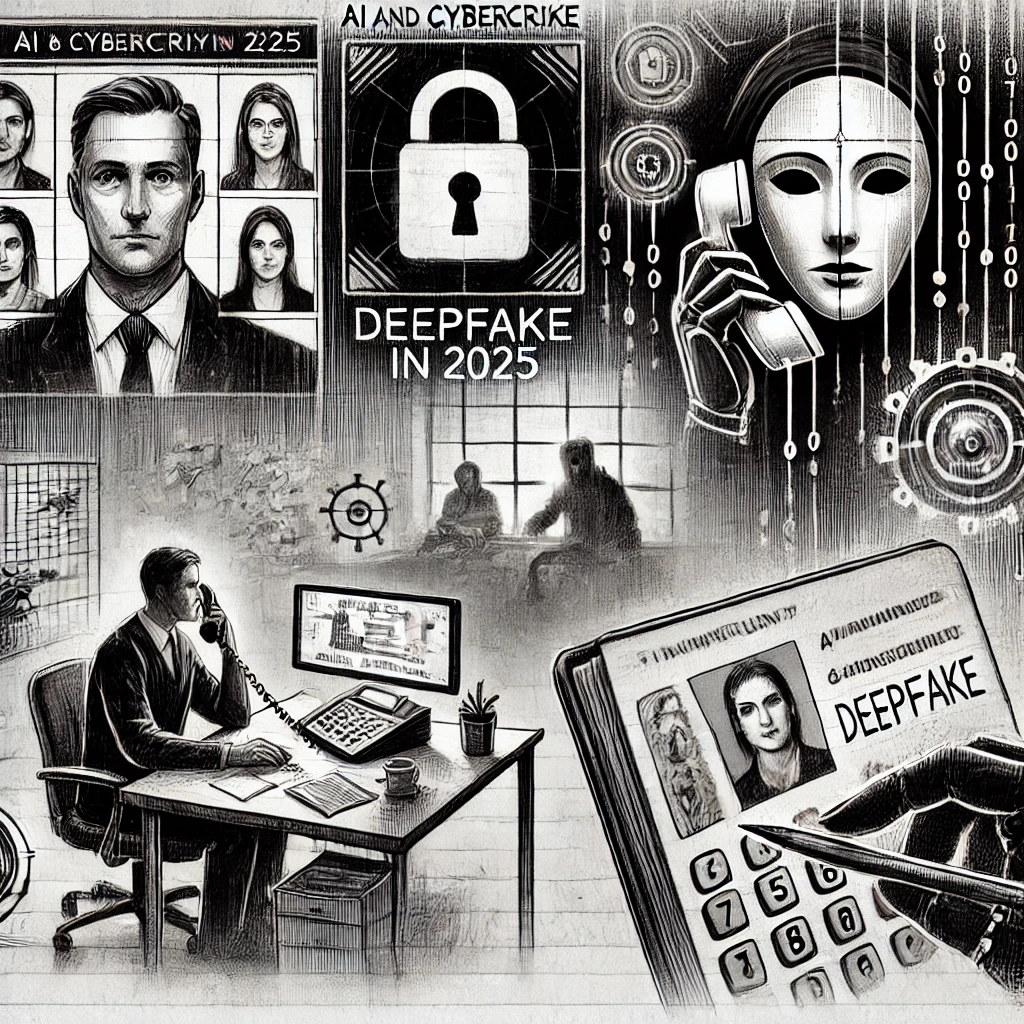
AI Cybercrime in 2025: A Dangerous Intersection

Experts are ringing alarm bells about the dangerous intersection of artificial intelligence and cybercrime. Already, AI tools are being weaponized to commit fraud, and the consequences are staggering.

Survey Exposes Public Concerns Over UK Cybercrime and Fraud

A recent government-commissioned survey reveals significant public concerns about UK cybercrime and fraud (England, Scotland, and Wales). Conducted by Ipsos UK for the Home Office, the research offers insights into public perceptions, victimization experiences, and cyber security behaviors. It found that over half of participants perceive moderate personal risks, with 42% feeling vulnerable to retail … Read more

×