

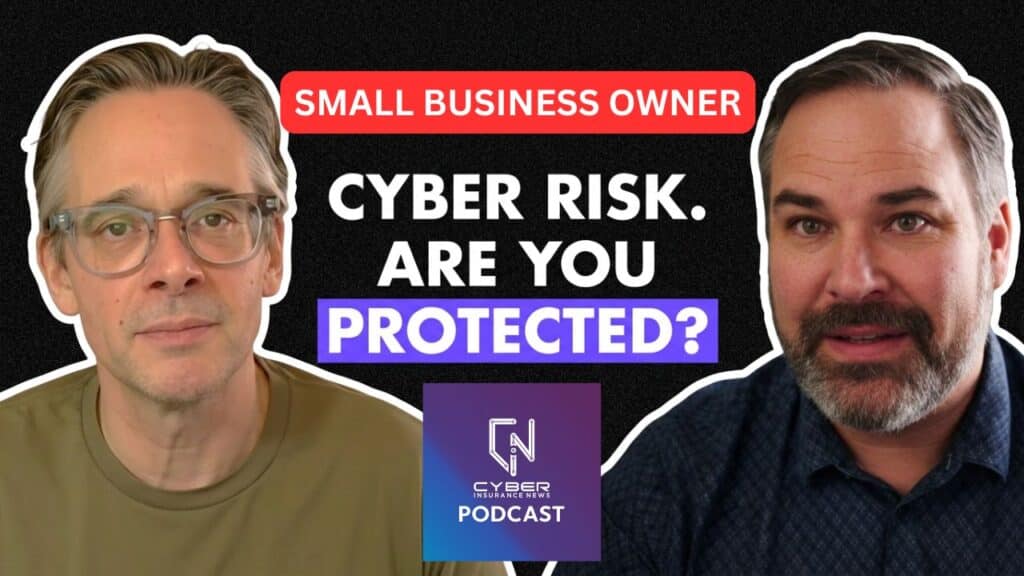
When a cyberattack hits a small business, it does not come with dramatic music or flashing lights. It often arrives as a normal email, a text that feels urgent, or a request that seems trustworthy. And that’s why this podcast episode is helpful. It avoids jargon and focuses on what matters. The threat is real. The methods are simple. The costs can add up quickly. The basic defenses are easy to start using right away. Kyle Jude from Veracity Insurance Solutions makes it clear: cyber risk is not just a problem for big companies anymore. It is a basic risk for any business. For many owners, this episode is a straightforward introduction to small business cyber insurance and cybersecurity, without confusing technical terms.
Watch On YouTube – Other Links Below
Also, get it at these spots
Small Business Cybersecurity Starts With Ordinary Human Mistakes
The episode starts where most attacks do: with human mistakes, not computer code. Kyle explains that scams often begin with a sense of urgency. An email, text, or call pushes someone to act quickly without thinking. He warns, “A link can sit dormant for weeks or months,” which is part of the risk. At first, nothing seems wrong. Then, suddenly, systems freeze, data is lost, or customer information ends up in the wrong place.
Phishing, Social Engineering, And AI Raise Small Business Cyber Risk
Next, the conversation covers phishing, social engineering, and other modern cybercrime tactics. Attackers do not need to know you personally. They only need enough public information to sound believable. This makes the threat widespread and inexpensive to start. AI makes these attacks even easier to scale. Small businesses are not targeted individually; they are caught up in large-scale attacks. Being unknown does not keep you safe.
Hidden Costs Of Cyberattacks Make Small Business Cyber Insurance Essential
The episode also explains the costs clearly. Many owners still think of incidents as just one bill and one repair. Kyle says this view misses the real impact: downtime, lost sales, investigations, notifications, and the work to rebuild trust. A small technical problem can turn into a big financial loss. That is why a cyber liability insurance policy is practical. The premium might be affordable, but the loss without insurance might not be.
Get The Cyber Insurance News Upload Delivered
Subscribe to our newsletter!
MFA, Backups, And Training Form The Baseline For SMB Cybersecurity
This episode is not meant to scare you. It is a guide. Kyle points out steps owners can take right away: use unique passwords and turn on MFA for extra security. Also, set up backup systems and teach staff to be careful with urgent requests. Always double-check payments before sending money and review your policy details, especially exclusions and limits.
Why This Podcast Is A Primer On Cyber Insurance For Small Businesses
That is why this episode explains how cyberattacks happen, why hidden costs keep growing, and how insurance can help. Small business owners should listen, and big companies can benefit too. The main point is clear: cyber risk is complicated, but the first steps to protect your business are simple.
Watch the Podcast on YouTube – Other Links below
This Transcript has been checked for accuracy, but confirm elements against the recording to be sure.
Cyber Insurance News Podcast FAQ
This episode makes the case that a small business cyber insurance policy is no longer optional thinking for modern owners. Kyle Jude argues that cyber risk now sits alongside other core business risks because attacks can trigger downtime, lost income, customer fallout, and recovery costs that small firms may struggle to absorb.
Because the threat has widened and sped up. Kyle explains that attackers cast a broad net across many companies at once. They do not need a specific grudge against your business. They need a weak point, a rushed employee, or a convincing message. That makes small business cybersecurity a daily operating issue, not a rare crisis.
The episode stresses the hidden costs of cyberattacks. Kyle points to downtime, forensic work, system repairs, customer notification costs, labor hours, and reputational damage. A business may think it faces a single technical bill, but the true cost often stacks up in layers. That is one reason a cyber liability insurance policy becomes relevant
He keeps the list simple. Change passwords. Use different passwords for different systems. Turn on MFA. Back up key data. Train employees to question urgency. Add payment verification before money moves. The episode treats these as baseline small business cybersecurity habits, not advanced theory.
FAQ Basic Cyber Defenses Every Small Business Needs
Because MFA adds friction. Kyle describes that delay as valuable. It gives people a pause before a fraudster gains access or moves money. In practice, that extra step can reduce the chance of the kind of preventable event that later turns into a small business cyber insurance problem.
Kyle warns owners not to stop at the headline coverage number. A policy may say $100,000 or $1 million, but sublimits and exclusions can narrow what is actually covered. His message is plain: read the policy, ask questions, and do not assume every cyber liability insurance policy works the same way.
Kyle says AI makes life easier for criminals because it helps them gather public information faster and build more convincing attacks. That increases the scale and realism of scams aimed at small firms. As small business cybersecurity gets harder, the logic for small business cyber insurance gets stronger.
Delay. Kyle says many owners tell themselves they will update passwords, review coverage, or improve protections later. That habit leaves gaps open. The episode treats procrastination as a real risk factor in both small business cybersecurity and insurance readiness.
Kyle gives a practical three-step answer. Update passwords. Enable MFA. Make sure you have insurance in place. His argument is that the starting steps are not overly complex or wildly expensive. The expensive part is getting hit while unprepared.
Related Cyber Insurance Posts
- Geneva Association Says Cyber Insurance Should Play A Bigger Role In Cyber Resilience
- CISO: AI Risk Reshapes Cybersecurity Strategy In Retail And Hospitality
- AI Risk and Autonomous Agents: Why Access Controls Matter – NEW PODCAST
- Browser Security Risks in 2025: Why Criminals Target Your Browser First
- Cyber Liability Insurance Gains Clarity as CISOs Race Toward Passwordless Security | Portnox 2026 Report
