

Estimated reading time: 4 minutes
A modern network works like a high-rise office. Guards secure the lobby doors. Interior floors and suites still need locks. Microsegmentation installs those interior locks across digital hallways. It limits intruder movement and speeds containment when trouble starts. It also improves terms for cyber insurance premiums and is increasingly part of the underwriting process. That is the central message in Akamai Technologies’ Segmentation Impact Study: Why microsegmentation now defines enterprise cybersecurity, risk, and resilience. The report draws on 1,200 global security and technology leaders. It finds widespread basic segmentation and a gap in true microsegmentation maturity.
Adoption Is Broad, But Depth Is Thin
Most organizations segment their networks today. Far fewer implement true microsegmentation across workloads. That gap leaves room for lateral movement during attacks. The report notes that many teams run “legacy north–south segmentation.” They need controls that govern east–west traffic between assets.
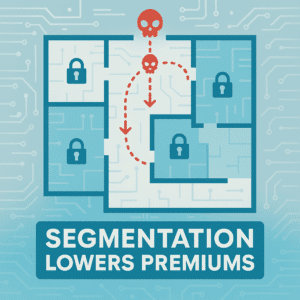
Leaders name clear drivers. They want to contain ransomware, protect critical assets, and reduce insider risk. They also face regulatory pressure and audit demands. Surveyed organizations cite ransomware exposure within the last two years. They plan to close coverage gaps and mature segmentation posture.
Containment Speed Improves With Microsegmentation
Ransomware outcomes hinge on minutes. Microsegmentation reduces containment time for large enterprises by about a third. Faster containment shrinks the blast radius and recovery bill. Teams also report fewer compromised systems after adoption.
Akamai’s press release reinforces the link. “Organizations that adopt microsegmentation are responding faster to cyberthreats and enjoying lower insurance premiums,” said Ofer Wolf, Senior Vice President and General Manager, Enterprise Security at Akamai. He added, segmentation “reduces the likelihood of successful attacks.” That message matches field experience across complex estates.
Insurers Reward Segmentation Maturity
Cyber underwriters now examine network segmentation during reviews. Surveyed leaders say insurers assess segmentation posture during cyber insurance underwriting. Some carriers require segmentation to bind coverage. Microsegmentation maturity signals reduced loss severity and better resilience.
The study ties maturity to measurable benefits. Respondents report simpler audits and lower assurance costs. Many also report premium reductions linked to segmentation. Faster claims and stronger approval odds follow better controls. “Insurers now assess segmentation posture during underwriting,” the press release states. Buyers hear the same message at renewal. Mature controls can reduce cyber insurance premiums and speed decisions.
WATCH – AI & Cybersecurity: What Every Business Needs to Know in 2025
Boards track those signals closely. Finance leaders fold them into total cost of risk models. Segmentation maturity influences deductibles, sublimits, and exclusions. Claims teams also weigh the presence of containment controls. Microsegmentation proves that the insured can fence off impacted zones quickly.
Why Many Programs Still Stall
Execution remains hard. Hybrid estates combine legacy systems with cloud, SaaS, and edge computing. Teams struggle to map dependencies and write safe policies. They also face cultural resistance and uptime anxiety. Owners fear breaking the flow that powers revenue. That fear slows enforcement beyond pilot zones.
Visibility gaps drive most hesitation. Teams need workload-to-workload maps before enforcing rules. Good observability reduces risk and builds cross-team trust. Leaders who see flows move faster and with fewer rollbacks. They also communicate progress to auditors with clearer evidence.
Get The Cyber Insurance Upload Delivered
Subscribe to our newsletter!
The Next 24 Months
Momentum is building. Half of non-adopters plan to implement microsegmentation within two years. Among adopters, two-thirds plan to increase investment. Regions vary in pace, but the direction aligns. Segmentation maturity is becoming a core resilience metric. It also shapes cyber insurance premiums and claims outcomes.
Akamai frames the strategic shift. The foreword points to “smarter, faster-moving cyberthreats.” It also flags rising insurer expectations. The conclusion calls microsegmentation a foundational control for resilience. It recommends visibility-first design and workload-level policy enforcement. It also urges automation and governance to sustain scale.
What Leaders Should Do Now?
Start with visibility across workloads and data flows. Map dependencies before writing granular policies. Isolate public-facing apps and high-risk assets first. Expand east–west controls in stages and measure dwell time.
Align the roadmap with Zero Trust objectives and compliance needs.
Automate enforcement where possible to reduce toil. Document results for auditors and insurers. Show how controls contain spread and protect critical services. That evidence can support more favorable cyber insurance premiums and smoother claims processing.
Related Posts
