
Estimated reading time: 3 minutes
Nationwide Cybersecurity Alert
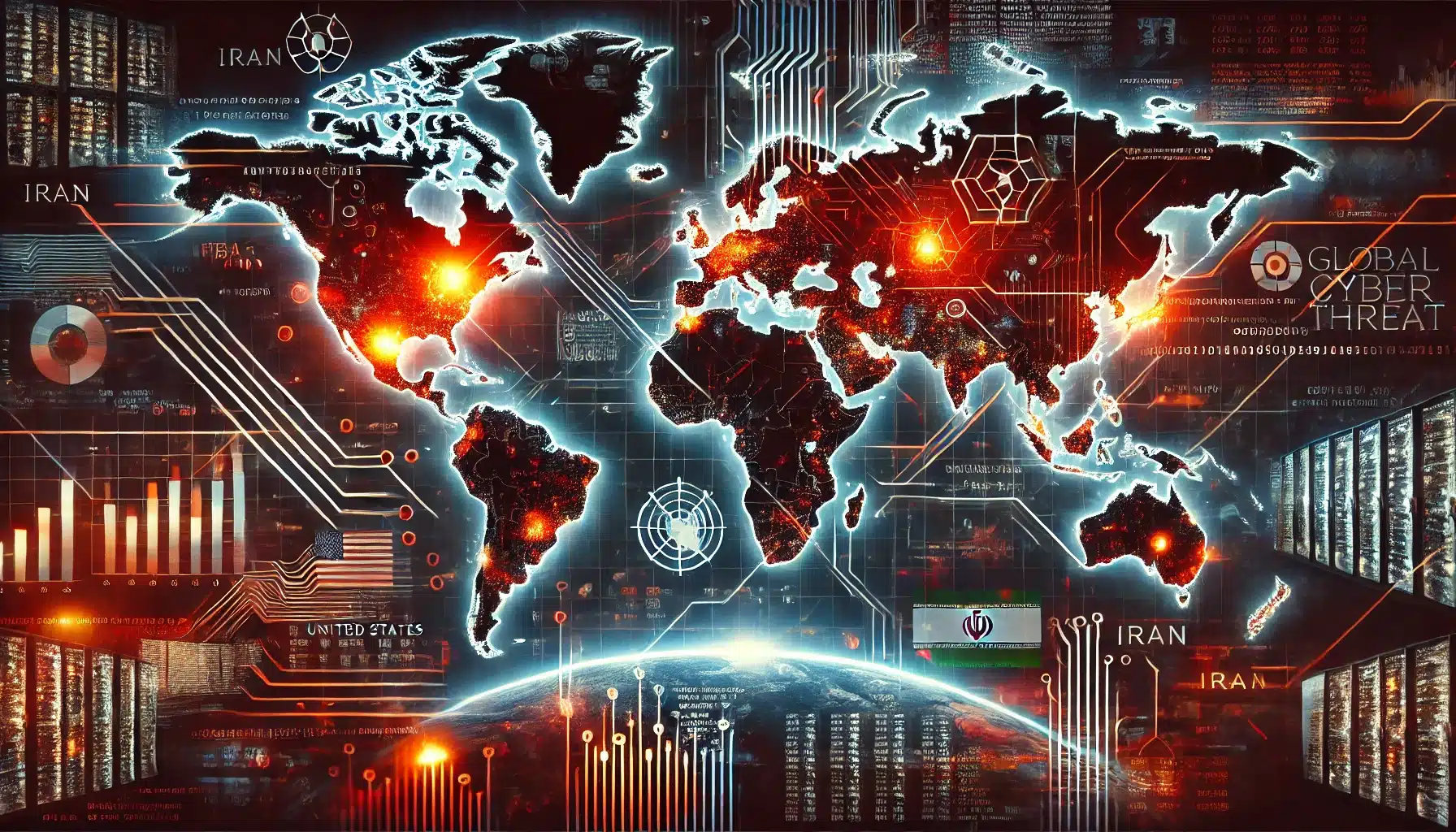
Federal agencies have issued a warning about a heightened threat from Iran-affiliated cyber actors. The Cybersecurity and Infrastructure Security Agency (CISA), the FBI, the NSA, and the Department of Defense Cyber Crime Center issued a joint alert on June 30, 2025. They urge all U.S. critical infrastructure operators to prepare for potential cyberattacks from Iranian state-linked groups and hacktivists.
Targets Identified
Iranian cyber actors are eyeing networks in the defense, energy, water, healthcare, and manufacturing sectors. Entities tied to Israeli companies face increased risk.
These actors exploit outdated systems, weak passwords, and unpatched software. They prefer opportunistic strikes using well-known vulnerabilities.
Methods of Attack
Cybercriminals linked to Iran rely on brute-force password attacks, default credentials, and stolen data. Some use ransomware in cooperation with global criminal groups.
They also weaponize industrial tools to disrupt operational technology, such as programmable logic controllers (PLCs) and human-machine interfaces (HMIs). PLCs are like the brains that tell machines what to do, and HMIs are the screens people use to control and check those machines. As you can imagine, disrupting their functioning can be a problem.
Get The Cyber Insurance News Upload Delivered
Every Sunday
Subscribe to our newsletter!
Track Record of Disruption
Between November 2023 and January 2024, Iranian actors compromised systems in critical U.S. sectors. These intrusions coincided with the Israel-Hamas conflict.
Victims included companies in the water, energy, food, and healthcare sectors. They exploited systems exposed online with factory-set passwords or no protection.
Defacement and Data Leaks
Hacktivists defaced websites and leaked sensitive data during prior campaigns. One notable breach hit a U.S. IPTV provider.
These actions damaged reputations and caused financial losses. Their goal is to undermine trust in network security and embarrass victims.
Mitigation Recommendations
Authorities recommend disconnecting critical systems from the internet and enforcing strong passwords. Phishing-resistant multi-factor authentication (MFA) is vital.
They urge companies to patch systems, monitor access logs, and establish robust recovery plans. (EDITORIAL NOTE: This should be happening already.)
READ THE JOINT ALERT
RELATED NEWS
