
Estimated reading time: 3 minutes

Government and Enterprise Cybersecurity Spending Fuels Tech Industry Growth
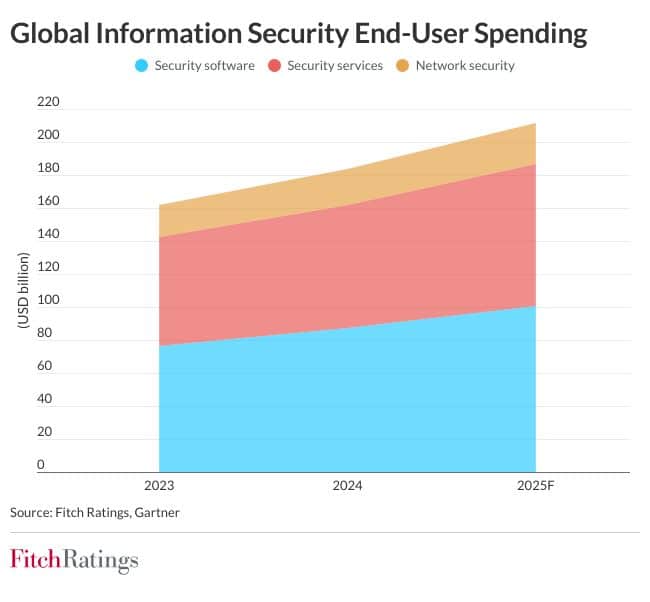
Technology companies are seeing new revenue streams thanks to rising cybersecurity spending across both commercial and government sectors. Fitch Ratings reported that the uptick follows several high-profile cyberattacks. Recent incidents in the European retail sector pushed businesses to take security more seriously. Other industries, such as finance, healthcare, and public infrastructure, are following suit.
Businesses now view cyber risk as a top threat. They are investing in robust cybersecurity measures to protect sensitive data and avoid operational disruption.
Defense Sector Contributions to Cybersecurity Spending
NATO countries are increasing defense budgets. Part of that growth includes larger allocations for cybersecurity. Nations aim to meet the 5% GDP defense spending target, which incorporates cyber-defense.
Tech firms benefit from government contracts tied to national security. These contracts offer steady revenue but also come with regulatory burdens. Providers may need to separate government operations from commercial activities.
Who’s Gaining the Most?
Companies like Sophos and Darktrace stand out as winners. Their advanced threat detection tools meet the market’s demand. Atos, Exclusive Networks, and Advania, as managed service providers, also benefit.
These service providers support implementation, monitoring, and incident response. They play a key role in rolling out cybersecurity strategies for businesses and governments.
Fragmented but Lucrative Market
The cybersecurity market remains fragmented. Still, it features integrated solutions from specialized firms. These businesses enjoy high revenue retention and consistent cash flow. That allows them to reinvest in innovation and stay ahead of emerging threats.
However, some segments, such as traditional email security, face growing competition. Consumer-focused products are also under pressure due to market saturation.
Get The Cyber Insurance News Upload Delivered
Every Sunday
Subscribe to our newsletter!
Client Risk Still Exists
While cybersecurity firms profit from the rising spending, they are not immune to risk. A major breach at a client could lead to reputational damage. If multiple clients experience attacks, systemic flaws may be exposed, triggering lawsuits or customer churn.
AI and Hybrid Cloud Adoption Drive Demand
Companies are increasingly adopting hybrid cloud models to safeguard sensitive data. These models balance scalability with control.
As you are likely aware, Artificial intelligence (AI) is becoming a core feature of cybersecurity products. Advanced algorithms enable the early detection of threats, provide real-time analytics, and automate responses. This reduces the impact of human error.
Investor Caution Amid Optimism
Despite the boom, Fitch warns that not all tech companies will see credit upgrades. Broader business performance, leadership decisions, and capital structure choices will also influence ratings.
Related News:
