
Estimated reading time: 2 minutes
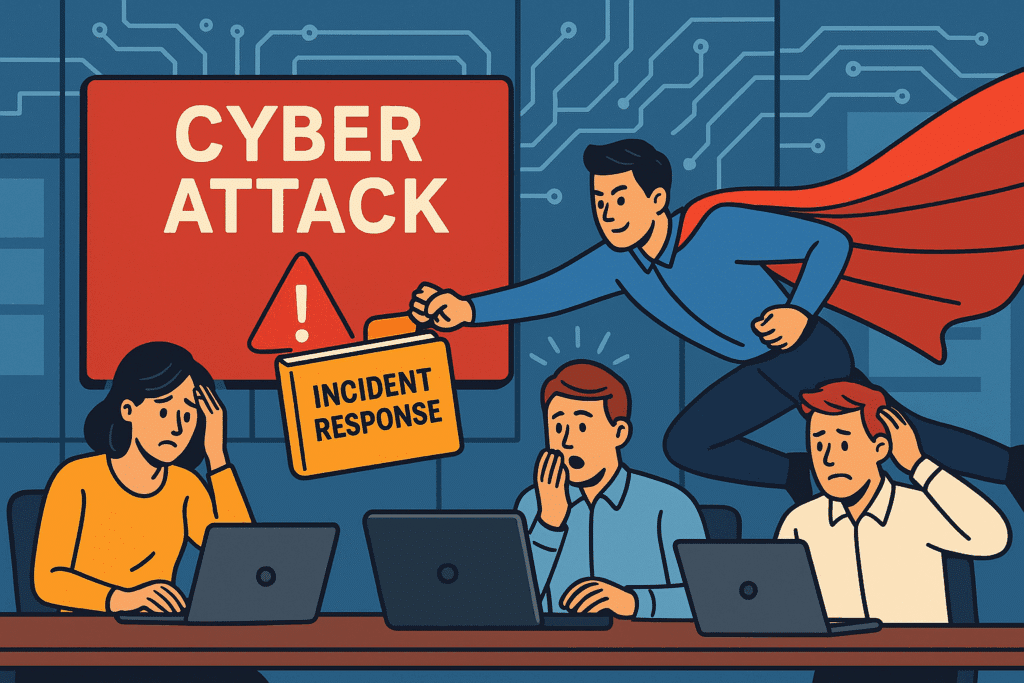
Cyber threats are no longer static—they evolve rapidly, often rendering yesterday’s solutions obsolete. That’s why, according to Epiq, a global provider of legal and business services, having a documented Cyber Incident Response Plan isn’t enough. The company warns that these plans must go beyond checklists to meet the dynamic nature of today’s cyber threats, such as data breaches or ransomware cyberattacks. Active rehearsal, cross-functional coordination, and constant adaptation are required to stay effective.
Limitations of Documented Plans
Cyber plans often lack agility. Cyberattacks change form quickly. A plan written last year may be outdated now. Many organizations check compliance boxes without testing plans. This risks operational paralysis during actual attacks. Staff are often unfamiliar with procedures, which can lead to chaotic real-time decision-making.
Training Gaps Expose Vulnerabilities
Traditional employee training methods often fail to meet expectations. PowerPoint sessions fail to simulate real crises. Employees forget steps or struggle to find the plan during incidents. Epiq recommends repeated, hands-on training sessions. This enhances retention and response accuracy.
GET THE CYBER INSURANCE UPLOAD DELIVERED
FREE EVERY SUNDAY
Subscribe to our newsletter!
Dynamic Practice Is Key
Organizations need more than a checklist. Practicing the response under pressure helps build muscle memory. It also clarifies roles across departments, such as legal, IT, and public relations. Practice reveals weaknesses before attackers do.
Gamified Tabletop Exercises Strengthen Response
Interactive training methods boost effectiveness. Gamified exercises simulate breaches. Participants must make decisions under stress. These decisions show how incidents affect compliance, legal exposure, and business operations. This method fosters understanding and sharpens cross-functional coordination.
Industry-Specific Gains
Law firms learn their clients’ vulnerabilities through these exercises. Corporations cut downtime and financial losses. Insurers assess resilience more effectively, thereby improving risk models.
Conclusion
Epiq’s guidance is clear: documented plans are only useful when tested and updated frequently. Real preparedness demands practice, adaptation, and ongoing engagement.
RELATED NEWS
